Business License

Why Portable Soil Penetrometer Becomes A Must‑Have Tool For Geotechnical Field Work
Geotechnical site investigation always faces real‑world challenges: remote locations, tight project schedules, and limited lab support. Collecting reliable in‑situ soil strength data quickly directly affects foundation design, road subgrade evaluation and construction quality control.
Traditionally, soil property evaluation depends on borehole sampling followed by lengthy laboratory compression or shear tests. The whole process takes days and brings extra transportation and testing costs. This is where a portable soil penetrometer changes the workflow for field engineers. Light‑weight, easy‑to‑transport and operated by one person, it delivers instant soil penetration‑resistance data right on‑site without complex sample preparation.
What Is A Portable Soil Penetrometer?
A portable soil penetrometer is a hand‑held or lightweight field testing instrument used to measure soil penetration resistance. With standard metal cone tip and graduated probe rod, it evaluates soil compactness, bearing capacity and shear strength at different soil depths.
There are two common types in geotechnical practice:
Manual static penetrometer: Push the cone steadily into soil to read resistance value, ideal for shallow compaction inspection.
Dynamic cone penetrometer (DCP): Uses standard drop hammer to drive cone into ground; record penetration depth per blow, further converted into CBR value for road sub‑base assessment.
Most commercial models are supplied with hard carry case, spare cone tips and depth scale, ready to move between construction sites, highway projects and slope survey locations.
Core Benefits for Field & Laboratory Teams
1. True portability for complex field conditions
Unlike large stationary lab test machines or heavy drilling rigs, the portable penetrometer can be carried to mountain slopes, rural road sites, embankment fills and narrow working areas. No external power supply required. One technician can finish the whole test independently, which greatly expands survey coverage especially for remote infrastructure projects
2. Instant on‑site test results
You do NOT need to send soil samples back to lab and wait for several‑day report feedback. Test readings are obtained immediately. Contractors and engineers can spot weak subgrade zones, detect compacted hard layers and judge filling quality while construction is ongoing. Timely detection avoids hidden risks before pouring next structural layer.
3. Cost‑effective quality‑control solution
Borehole drilling, sample packing and lab geotechnical tests generate high expenses for large‑scale site surveys. Using portable penetrometer for preliminary screening reduces unnecessary drilling points. It works as an economical pre‑investigation tool, helping teams allocate budget for critical lab tests only for key locations.
4. Multi‑scenario adaptability
✅ Highway & road construction: Subgrade compaction checking, base/sub‑base strength evaluation, CBR correlation calculation
✅ Earth‑fill & dam project: Monitor compaction uniformity of embankment and backfill soil
✅ Slope stability survey: Quick assessment of surface soil shear strength
✅ Municipal engineering: Foundation preliminary inspection for small buildings
✅ Teaching laboratory: Field demonstration for geotechnical experimental courses
Practical Tips For Better Test Accuracy
Even good equipment requires standardized operation for reliable data:
Keep vertical penetration direction during test; avoid tilting the probe rod.
Maintain steady push / hammer‑dropping speed as per instrument manual.
Inspect cone tip regularly: replace worn cone, as blunt tip will cause higher‑than‑actual resistance readings.
Record site information: soil type, moisture condition, test depth and blow counts for later data analysis.
Not recommended for sites full of large cobbles or rock fragments, where cone penetration will be blocked.
Selecting The Right Portable Soil Penetrometer
When sourcing this instrument for your lab or project, focus on these practical points:
Standard compliance: confirm compatibility with international test standards.
Mechanical robustness: high‑strength steel probe and cone tip for long‑time field use.
Complete accessories: protective carry case, replacement cones, depth measuring scale.
After‑sales support: spare‑part supply and technical guidance from manufacturer.
Many geotechnical instrument factories provide OEM service, which is helpful for laboratories and tender‑project purchasers.
Conclusion
For modern geotechnical work, portable soil penetrometer will never fully replace sophisticated laboratory tests. But it fills the gap of fast, wide‑range in‑situ screening. Whether you run a testing laboratory, work for road‑construction contractor or handle infrastructure tender procurement, adding a reliable portable soil penetrometer optimizes your site‑testing workflow and brings tangible time‑and‑cost savings.
If you want to know more specifications or quotation of portable soil penetrometer, feel free to contact our engineering‑instrument team.

Contact Us
Recommended Products
-
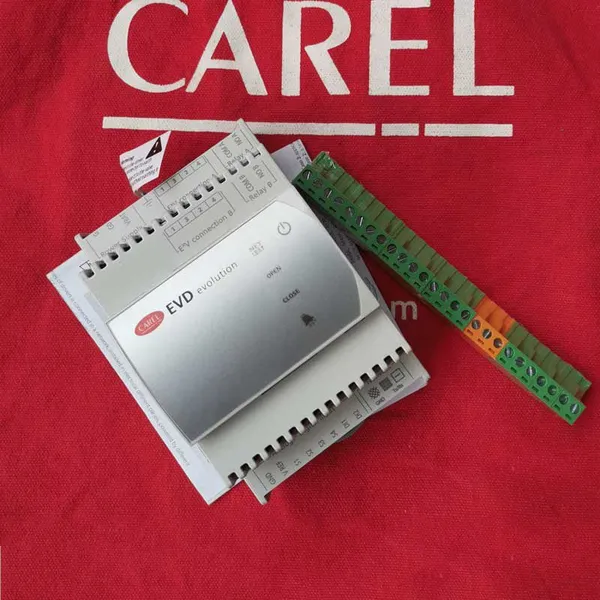
 CAREL EVD0000E50 EVD Evolution Electronic Expansion Valve Driver, Single Channel EEV Controller With RS485 Modbus for Carel ExV ValvesUS$ 160 - 170MOQ: 1 Set
-
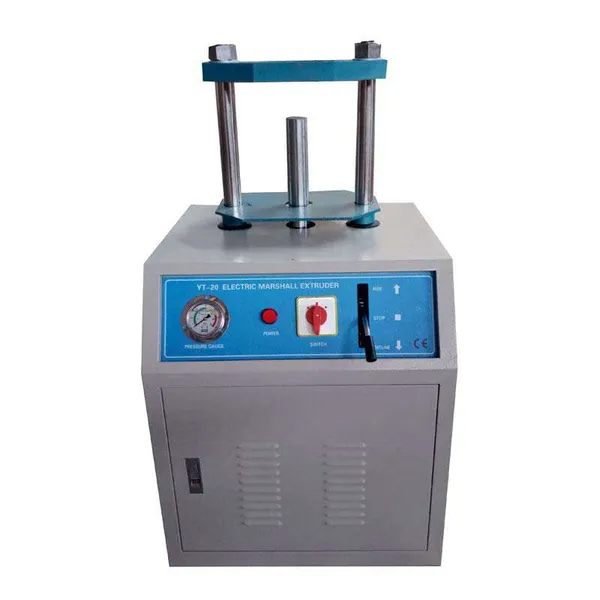
YT‑20 Electric Marshall Extruder, 200KN Hydraulic Specimen Demoulding Machine for Marshall & Geotechnical Compaction Test MoldsUS$ 500 - 600MOQ: 1 Unit
-
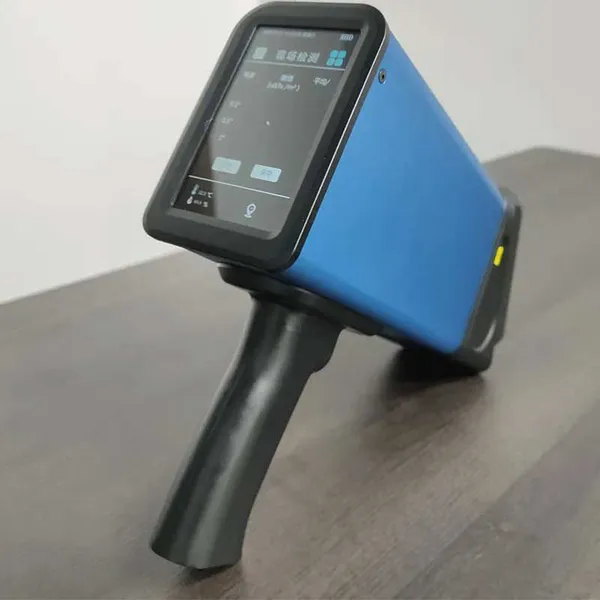
Multi-angle Retroreflectometer MAR-932, Portable Retroreflective Tester for Road Traffic Markings & Reflective SignsUS$ 2300 - 2500MOQ: 1 Set
-
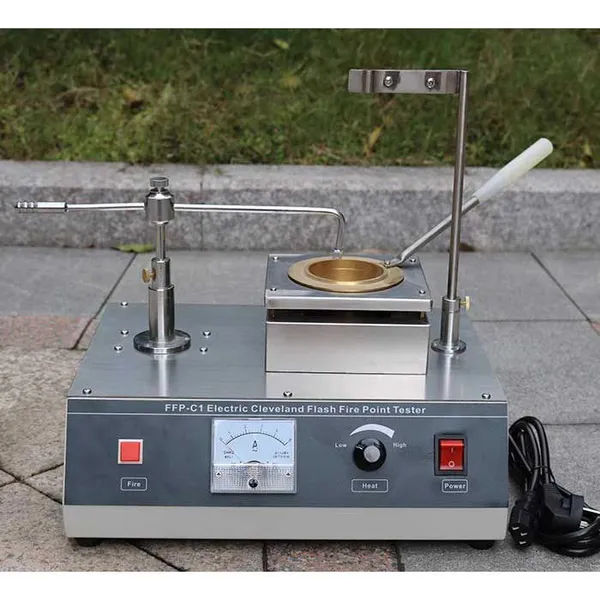
Cleveland Open Cup Flash and Fire Point Tester, Petroleum Flash Point Apparatus ASTM D92NegotiableMOQ: 1 Set
-
Mud Balance, Drilling Fluid Density Balance, Baroid Mud Scale for Oilfield Mud TestUS$ 100 - 120MOQ: 5 Sets
-
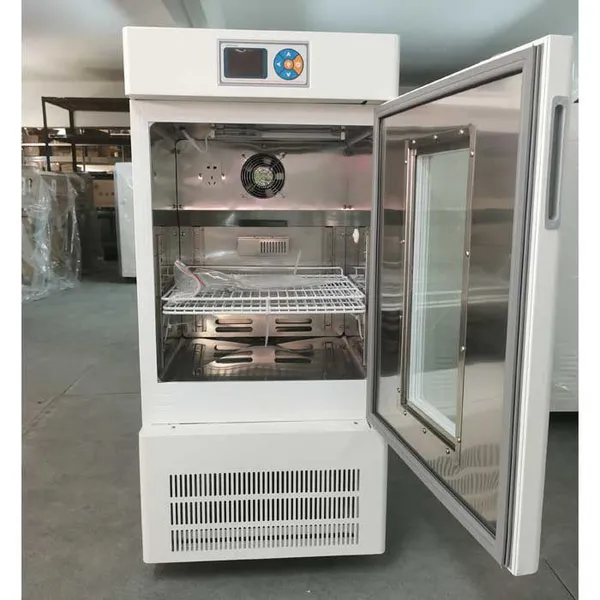
RM‑A Series Biochemical Incubator, Microcomputer PID Controlled Refrigerated Incubator 100L‑1500L for BOD Test & Microbial CultureUS$ 1300 - 1500MOQ: 1 Unit
-
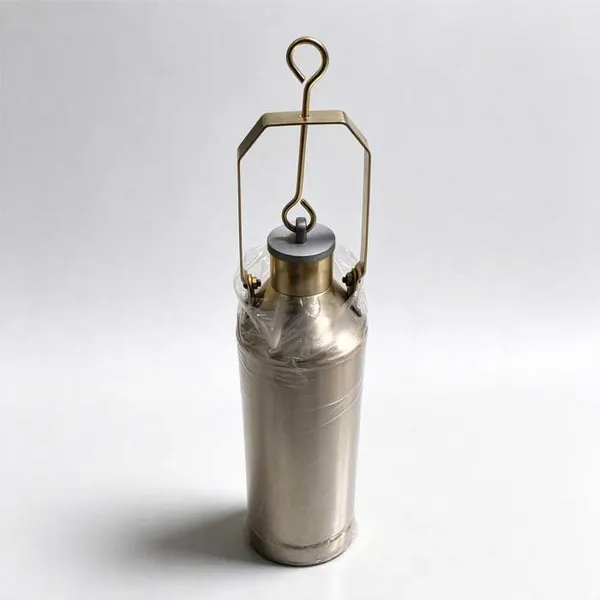
Copper Petroleum Sampler, Oil Sampling Can With Hanging Hook for Petroleum Liquid SamplingUS$ 30 - 35MOQ: 5 Pieces
-
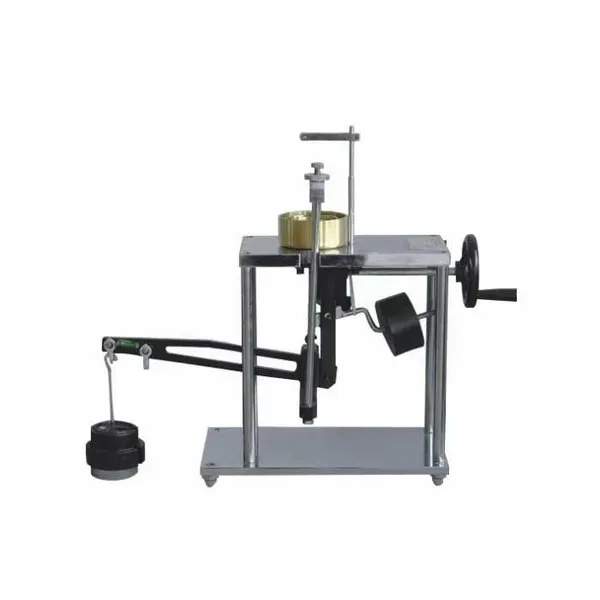
WG Light-duty Single Lever Consolidation Apparatus | Soil Consolidometer for Geotechnical Lab TestUS$ 1200 - 1300MOQ: 1 Set
-
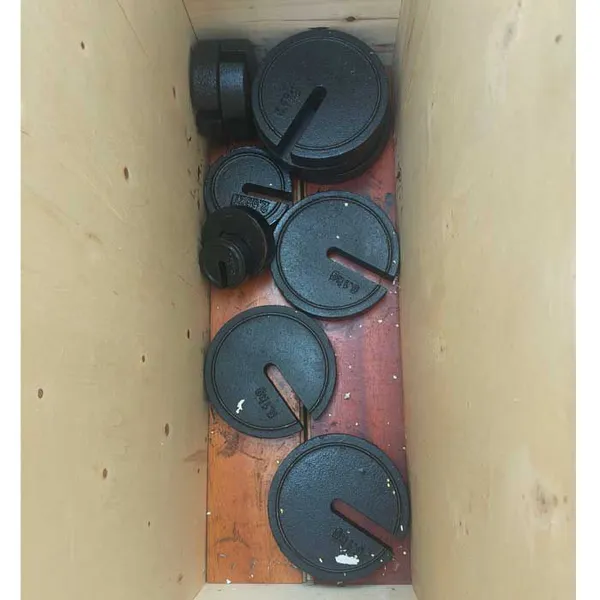
Slotted Cast Iron Weights for Oedometer Consolidation Test, Soil Consolidometer Loading Weight Accessories With Wooden CaseUS$ 180MOQ: 1 Set
-
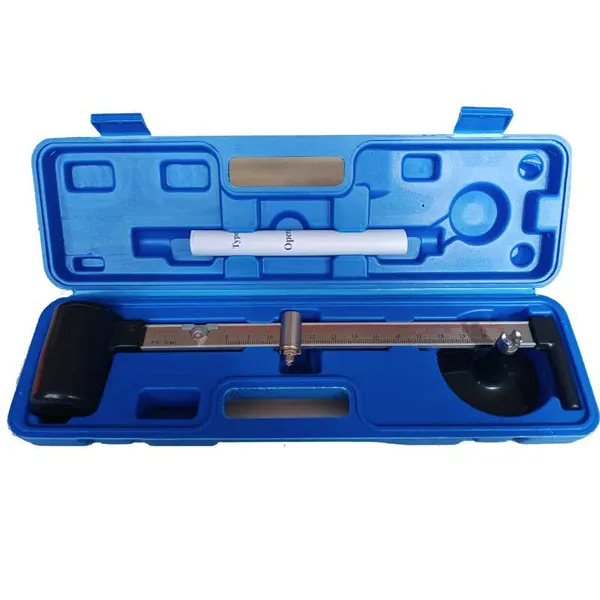
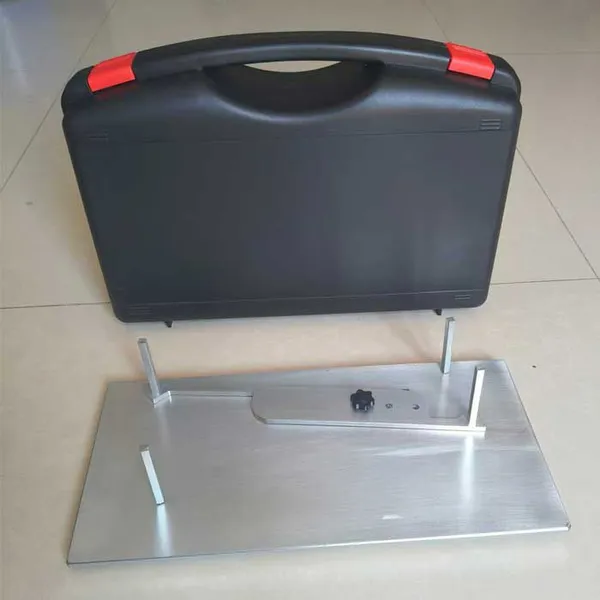
Proportional Caliper Device for Coarse Aggregate Flat and Elongated Particles Test, ASTM D4791 Aggregate Testing InstrumentUS$ 180MOQ: 1 Set
-
Heavy Duty Thick Cotton Canvas Tarpaulin 1.4mm Waterproof Wear Resistant Canvas Tarp for Truck Cover, Construction Site, Custom Sizes AvailableNegotiableMOQ: 1 Piece
-
SMT PCB Prototype Assembly Service, PCBA Turnkey Manufacturing, Small Batch SMD Soldering, Support 5 Piece Minimum OrderNegotiableMOQ: 5 Pieces
-
T2 Pure Copper Busbar Tin/Nickel Plated Ground Bus Bar Custom Bending Machined Copper Busbar for Electrical Cabinet, Power Distribution EquipmentNegotiableMOQ: 5 Pieces
-
Portable Stainless Steel Electric Asphalt Melting Pot Digital Thermostatic Bitumen Heating Kettle for Road Crack Sealing, Waterproof ConstructionNegotiableMOQ: 1 Set
-
Black Coated U-Shaped Oven Heating Element Tubular Heater 3KW / 4KW Two Sizes for Commercial Oven Fryer Dryer Heating TubeNegotiableMOQ: 1 Piece

-
Square Flange Stainless Steel Immersion Heating Element 9KW 230V/400V Industrial Water Heater Tube Optional With Pre-Wired Red CableNegotiableMOQ: 1 Piece
-
Triangular Flange Stainless Steel Immersion Water Heating Element 73mm Mount 380V 12KW 380mm Tube Length Electric Water Heater Heating TubeNegotiableMOQ: 1 Piece
-
Honeywell R7861A1034 Flame Safety Relay Module R7849A1023 R7861A1026 R7847A1025 RM7800L1012 Burner Flame Detector Control ModuleNegotiableMOQ: 1 Piece
-
Heavy-Duty Hydraulic Radial Drilling Machine 5MT Spindle 35-1890rpm 12 Speed Metal Drilling Tapping Boring Radial Arm Drill Press for Metal WorkshopNegotiableMOQ: 1 Set
-
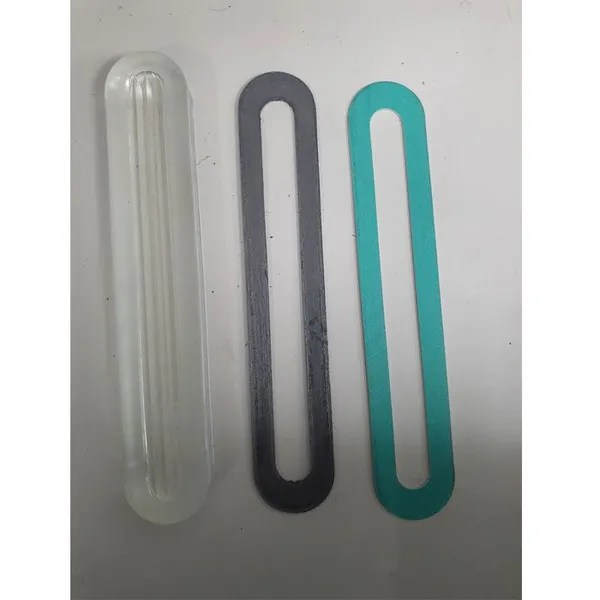
High Borosilicate Multi-Groove Level Gauge Glass Plate 3203417mm High Temperature Resistant Boiler Liquid Level Sight Glass With Graphite GasketNegotiableMOQ: 20 Sets